

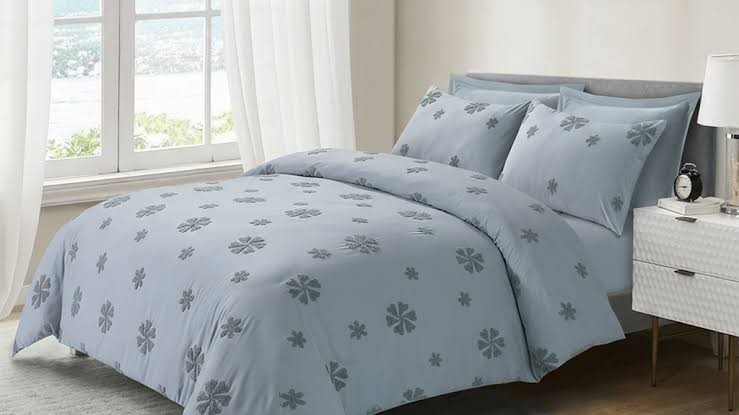
The Psychology Behind Bedroom Color Temperature
Cool tones have a measurable effect on how quickly the body winds down at night, and blue sits at the center of that effect more than any other shade used in home textiles. Interior designers have leaned on this for decades, pairing blue walls, curtains, and linens with rooms meant for rest rather than activity. The reasoning isn’t purely aesthetic; color temperature influences perceived room temperature, and cooler-looking hues tend to read as calmer and less stimulating to the eye.
This isn’t a new idea, but it has gained more attention as people pay closer attention to sleep environments rather than just mattress quality or room darkness. Hospitals, spas, and hotels have used blue-toned spaces for similar reasons, aiming to create an atmosphere that feels settled rather than energizing. Bedrooms designed around a single dominant cool tone often photograph as more restful, but the effect goes beyond how a space looks in pictures. People report feeling less visually agitated in rooms where the dominant textile color sits somewhere in the blue family, whether that’s a pale sky tone or a deeper navy.
What Shoppers Are Actually Choosing When They Buy Blue Bedding
Retail data from home goods companies has shown a steady preference for blue in bedding categories for years, and that trend hasn’t slowed. When customers search for a blue blanket, they’re often not just matching a color scheme to a room; they’re responding to an instinct that blue feels restorative. Minky, known for its plush textures and weighted comfort, has leaned into this by offering blue options across several of its blanket lines, recognizing that texture and color work together to shape how a blanket feels emotionally, not just physically.
The appeal isn’t only about softness, though that matters too. A blanket that looks calming before it’s even touched sets expectations for the rest that follows, and those expectations aren’t trivial. Sleep researchers have long pointed out that pre-sleep environment cues, including color and texture, can influence how quickly someone settles into a restful state. That’s part of why so many people gravitate toward the same cool-toned palette across pillows, sheets, and throws rather than mixing in bright or saturated colors near the bed.
Texture compounds the effect. A heavier, plush blanket in a cool blue tone reads as both visually and physically soothing, which is likely why Minky’s blue-toned lines remain consistently popular among repeat customers. People tend to replace these blankets with the same color family once they’ve had a positive experience, suggesting the association between blue and comfort sticks once it’s formed.
Building a Bedtime Routine Around Visual and Physical Comfort
Choosing the right color for a blanket is a small decision, but it fits into a larger pattern of habits that shape sleep quality. The Mayo Clinic sleep tips and research outline several environmental factors that affect how well someone falls and stays asleep, including room temperature, light exposure, and consistency of routine. Bedding color isn’t a clinical factor in the same category as those, but it contributes to the overall sensory experience of getting into bed each night, which can reinforce or undermine the habits those guidelines emphasize.
Practically speaking, building a calming bedtime routine often starts with small, repeatable cues. Keeping the same blanket on the bed night after night, especially one with a soothing color and comfortable weight, gives the brain a consistent signal that it’s time to wind down. This kind of consistency matters more than people expect, since the body responds well to predictable patterns leading into sleep.
Layering matters as well. Many people keep a lighter sheet for warmer nights and a heavier, plush blanket for cooler ones, maintaining the same color palette across both so the visual environment stays consistent regardless of season. This approach avoids the jarring effect of switching to a bright or mismatched blanket when temperatures drop, which can disrupt the calming cues a bedroom is meant to provide.
None of this replaces the fundamentals of good sleep hygiene, like limiting screen time before bed or keeping a consistent wake time. It does, however, add a layer of comfort that supports those habits rather than working against them. A well-chosen blanket won’t fix insomnia, but it can make the transition into rest a little smoother, and for many people, that small improvement is enough to notice over time.