
Core Concept
Bathroom lighting used to mean one bulb over the mirror and maybe a ceiling fixture that flickered on with a pull chain. Over the past few decades, the fixtures themselves and expectations placed on them have shifted considerably. Homeowners no longer see bathroom lighting as an afterthought bolted on after tile and plumbing decisions were made. Instead it has become part of the design conversation from the earliest planning stages, discussed alongside vanity placement and mirror size. This change tracks a broader shift in how people use bathrooms, treating them less like purely utilitarian spaces and more like small retreats where good light actually matters. Real estate listings and renovation shows now treat lighting plans as a selling point rather than a footnote, showing buyers what layered fixtures can look like before a contractor ever gets involved.
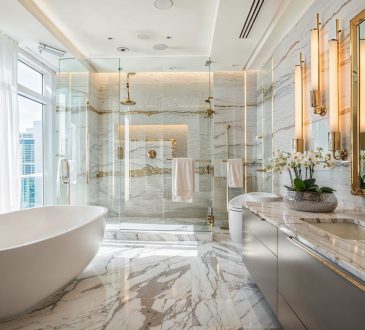
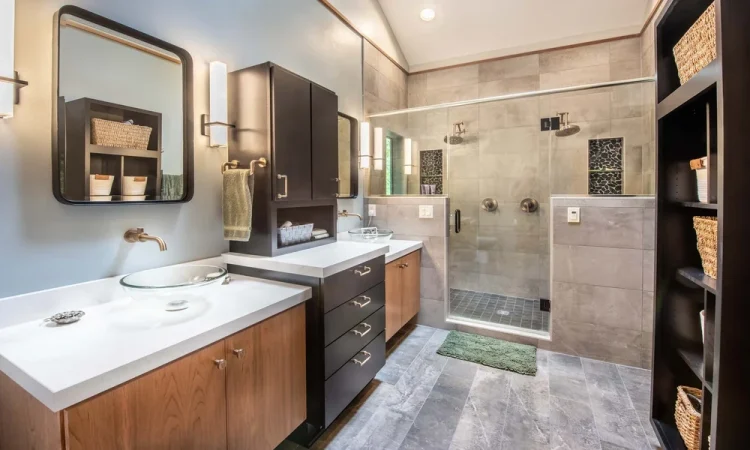
The core idea behind this shift is fairly simple even if the execution has gotten more sophisticated. Light in a bathroom needs to do two things at once: it has to support tasks like shaving, applying makeup, and checking skin tone accurately, and it has to set a mood that fits the rest of the home. Earlier generations of fixtures rarely managed both. A single harsh overhead light might handle brightness but wash out faces and cast unflattering shadows. Designers eventually recognized that layering different light sources solved this tension, combining vanity sconces, ceiling fixtures, and sometimes even shower-safe recessed lights to cover both function and feel. Manufacturers responded with dimmable options and adjustable color temperatures, letting a single fixture serve a bright morning routine and a relaxing evening bath differently, something last generation’s single-bulb fixtures never had to consider.
The Practical Reality
Good intentions around layered lighting run into real constraints once installation begins. Bathrooms are humid, cramped, and full of electrical code requirements that limit where fixtures can go near water sources. A contractor working on an older home might discover wiring that cannot support the number of circuits a modern layered design calls for. Space above the vanity may be too narrow for the sconces a homeowner initially wanted, forcing compromises on scale and placement. None of this makes layered lighting a bad goal, but it does mean the gap between a mood board and a finished bathroom is often wider than people expect. Ventilation fans, tile patterns, and mirror sizing frequently get locked in before anyone consults an electrician, and even a simple swap like replacing one vanity light with two sconces can mean opening drywall to reach a workable power source.
Working through those constraints is usually where a homeowner starts looking at contemporary modern bathroom lighting ideas for something closer to what their space can actually accommodate. Sites built around specific fixture categories tend to organize options by mounting type, bulb style, and finish in ways that make trade-offs easier to see at a glance. That kind of browsing does not eliminate the electrical and structural limits mentioned earlier, but it does help narrow choices before a contractor gets involved, which saves time on both ends. A homeowner who walks into a first meeting already knowing whether they want wall sconces flanking a mirror or a single horizontal bar fixture tends to move through the renovation process with fewer stalled decisions. Many people bring photos from a browsing session straight into that first contractor conversation, which keeps expectations aligned from the start.
Energy use is another practical factor that shapes which fixtures end up installed, since bathroom lights often run for short bursts many times a day rather than staying on for hours at once. Federal ENERGY STAR lighting guidance outlines how bulb wattage, lumens, and certification labels relate to actual energy savings, which is useful context for anyone comparing options beyond style alone. Paying attention to that guidance does not require sacrificing the layered look discussed earlier, since efficient bulbs now come in warm color temperatures that flatter skin the way older incandescent bulbs did. The fixtures people choose today tend to balance all of these pressures at once: code compliance, physical space, appearance, and running cost, rather than treating lighting as a single decision made in isolation.