
Key Takeaways
In San Diego, plasma centers offer invaluable support for various medical treatments, meeting critical healthcare needs by maintaining a steady supply of plasma for conditions such as hemophilia and immunodeficiencies.
Donations from locals have made a significant impact on healthcare services, as outreach efforts continue to illuminate the life-saving possibilities inherent in plasma therapies.
Stories shared by plasma donors often reveal the profound effects of altruism, with many inspired by their personal encounters with illness or an innate desire to assist others.
For patients, each plasma donation can mark a pivotal moment in their treatment journey, highlighting a unique bond between donors and recipients that underscores the power of community involvement.
The procedure for donating plasma consists of several clear steps, including eligibility screening and health assessments, designed to ensure both donor safety and a supportive atmosphere.
After collection, plasma is subjected to thorough testing and processing, eventually being utilized in essential medical treatments to enhance patient outcomes.
Community-led plasma donations drive research and innovation within medical treatments, permitting scientists to investigate new therapies that could significantly advance patient care.
The Vital Role of Plasma Donation Centers in Community Health
How Plasma Centers Address Urgent Medical Needs
In the vibrant city of San Diego, plasma centers are integral to the healthcare ecosystem. It’s not solely about aiding those in need; it’s also about securing a reliable supply for various medical therapies. Donations help those with conditions like hemophilia, liver disease, and immunodeficiencies, showcasing the efficiency of plasma centers as they bridge gaps in patient care.
Consider this: plasma-derived therapies save innumerable lives each year. The demand for these products is on the rise, often surpassing the current supply. Hence, the significance of plasma centers amplifies. They act as beacons of hope, rallying communities to tackle urgent medical needs. In San Diego, plasma centers are notable for their dedication to educating the community and encouraging residents to become donors.
The Impact of Local Plasma Donation in San Diego
Local donations have a palpable effect on healthcare services in San Diego. Through organized donation drives and outreach, these centers highlight the life-saving potential of plasma therapies. Donors come to realize that their contributions could ignite breakthroughs in treatment. They actively engage in the advancement of medicine by donating plasma.
Statistics reveal that a considerable proportion of therapeutic plasma in regional hospitals comes from local donors. This is more than just numbers; it reflects a community committed to uplifting its members. Such localized efforts fortify the healthcare network, ensuring that individuals receive timely and effective treatments, ultimately promoting a healthier population.
Transforming Lives: The Personal Stories Behind Plasma Donations
Real Human Stories of Courage and Impact
The narratives stemming from plasma donations shine a light on the remarkable impact of altruism. Each donor carries a distinct story, frequently shaped by personal struggles with illness or a genuine wish to contribute positively to their communities. These stories resonate on a profound level-serving as a powerful reminder of how individual acts of kindness propagate change.
For example, one donor shared how her mother’s struggle with a rare disease inspired her regular plasma donations. She speaks of a deep connection she feels with those in need. This shared experience energizes the donation community. It becomes about more than just plasma; it transforms into a collective mission fueled by compassion.
How Donors Make a Difference in Patients’ Journeys
Whenever someone walks into a plasma center, they spark hope for patients undergoing treatments reliant on plasma-based therapies. This vital connection becomes even clearer when reflecting on the journeys of those receiving plasma transfusions. Many donors remain unaware that their donation could serve as a crucial turning point in a patient’s battle against disease.
Clients often express heartfelt gratitude. Recognizing the integral role they play in patient recoveries can be deeply affirming. It’s far beyond a simple donation; it’s a shared journey, linking lives in unforeseen ways. And therein lies the beauty of plasma donation-it cultivates a community where each person holds the potential to make a difference.
Understanding the Plasma Donation Process: What to Expect
Your Step-by-Step Guide to Plasma Donation
For many, the plasma donation process might initially seem intimidating. However, knowing what to expect can make it more inviting. Here’s a straightforward guide to navigate through the plasma donation experience:
- Eligibility Screening: Prior to donating, individuals must undergo a screening to ensure the safety of both donors and recipients.
- Health Assessment: Following this, a brief health assessment occurs, checking vital signs like blood pressure and hemoglobin levels.
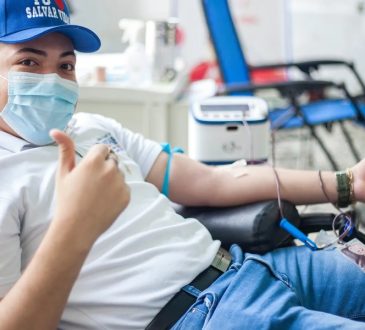
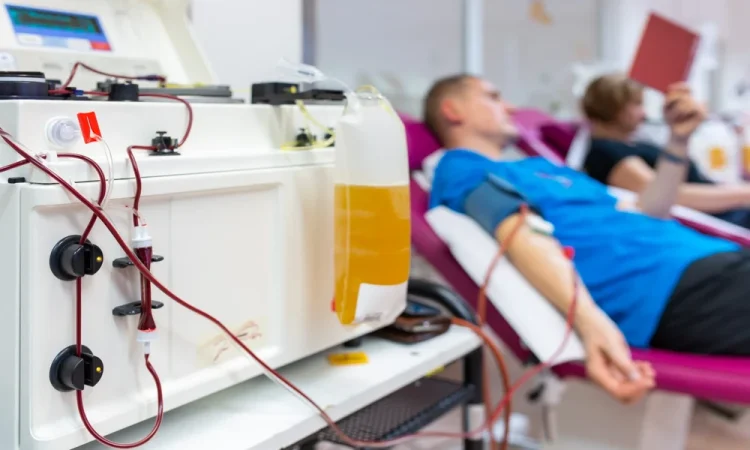
- Donation Procedure: During donation, blood is drawn, separating plasma from other components. The procedure is generally safe and efficient.
- Post-Donation Care: After the donation, individuals receive instructions on self-care to facilitate smooth recovery.
Each of these steps underlines the plasma center’s commitment to ensuring donor safety. It’s a nurturing environment where individuals can feel comfortable and supported throughout their donation journey.
What Happens to Your Plasma After Donation?
Upon completion of the plasma donation, the process that follows is nothing short of extraordinary. Plasma collected at plasma centers in San Diego undergoes meticulous testing to confirm its safety and efficacy. This step guarantees that the plasma remains free from contaminants and suitable for therapeutic use.
After passing these tests, the plasma enters a detailed process of processing and fractionation. Here it gets divided into various components, each serving specific medical purposes. For instance, clotting factors are extracted for patients with hemophilia. Ultimately, the plasma reaches hospitals and clinics, providing vital treatments that patients desperately need.
“Plasma is the unsung hero of modern medicine.”
Contributing to Innovations in Medical Treatments and Research
Plasma: The Unsung Hero of Modern Medicine
The significance of plasma in enhancing medical science is monumental. In many ways, it acts as the quiet supporter of substantial medical developments. From therapies addressing autoimmune diseases to the latest advancements in regenerative medicine, the contributions are vast. The extraordinary potential of plasma fuels ongoing research initiatives.
Without a regular influx of plasma from committed donors, several innovative therapies may not even be feasible. Clinical trials frequently rely on these donations to explore groundbreaking therapeutic avenues. The connection between plasma donation and medical innovation is symbiotic-donors empower scientists to probe and create treatments that could transform countless lives.
How Local Donations Fuel Fresh Research
Research institutions flourish thanks to the robust networks established by plasma donation centers. Contributions from local individuals not only assist current patients but also lay the groundwork for future breakthroughs. By supporting local plasma centers, donors become indirect sponsors of medical research, stimulating innovations that could redefine patient care.
- Therapeutic Developments: Ongoing research into new therapies leveraging plasma-derived products remains at the forefront of treatment enhancements.
- Experimental Treatments: Many trials utilize local plasma donations to evaluate the safety and efficiency of pioneering therapies.
- Collaboration Opportunities: Plasma centers frequently collaborate with universities and biotech firms to catalyze medical research driven by community support.
This setting not only bolsters sustained community engagement but also fosters a vibrant landscape ripe for medical discovery. Plasma centers in San Diego cultivate an environment where local backing translates into global health advancements.
The ripple effects stemming from plasma donation reach far beyond the act itself. Each donation contributes to building healthier communities, transforming individual lives, and propelling medical science forward. The essential contributions of plasma centers in San Diego create pathways toward hope, healing, and innovative research in healthcare. Through ongoing dedication, a brighter future in health and wellness is within reach for many.
FAQ
Can anyone donate plasma, or are there specific eligibility requirements?
Typically, plasma centers enforce strict eligibility criteria. Individuals must be at least 18 years old, weigh a minimum of 110 pounds, and pass a health screening. Additionally, each center may have its own health-related guidelines to ensure donor safety.
How frequently can someone donate plasma?
Most plasma donation centers permit individuals to donate every 28 days. This interval balances the body’s capacity to replenish plasma with the pressing demand for donations in medical treatments. Numerous donors discover that making regular contributions becomes a rewarding routine.
What safety measures are in place during the plasma donation process?
Plasma centers prioritize donor safety by implementing rigorous protocols. They utilize sterile equipment throughout the procedure, and comprehensive health assessments ensure the physical well-being of each donor. Additionally, centers undergo routine inspections to uphold high standards of hygiene and care.
Are there any health benefits for the donors from donating plasma?
Donors often experience an array of health benefits, such as improved cardiovascular health and enhanced overall well-being. Regular donations can also heighten one’s awareness of their health status, owing to the routine health evaluations conducted before each donation.
What kinds of diseases are plasma therapies used to treat?
Plasma-derived therapies target a variety of conditions, including hemophilia, immunodeficiencies, and several autoimmune disorders. These therapies provide essential support for patients, significantly improving their quality of life through life-saving treatments.
Can plasma donation centers adapt to cater to community-specific needs?
Certainly. Plasma centers frequently adjust their outreach and donation initiatives to resonate with the distinctive needs of their communities. They collaborate closely with local healthcare providers to ensure that the plasma collected effectively supports regional medical demands.
What role do plasma centers play in supporting medical research initiatives?
By sourcing plasma donations from the community, these centers invigorate medical research endeavors. Local donations empower researchers to conduct trials and develop new therapies, thus advancing patient care and fostering scientific understanding across various health disciplines.
How can individuals support plasma centers outside of donating?
Individuals can aid plasma centers by volunteering or engaging in awareness campaigns. Spreading the word about the importance of plasma donation within their communities helps increase participation, ultimately resulting in more lives saved through these vital medical therapies.