
Key Takeaways
Plasma donations are vital, offering life-saving treatments for individuals with conditions such as clotting disorders and immune deficiencies in San Diego.
One plasma donation can assist several patients since local donation centers often face a demand that surpasses supply.
Additionally, plasma donations contribute to medical research and innovation, playing a role in developing new therapies and treatments for chronic conditions.
The donation process involves a health screening and plasmapheresis, which typically lasts around two hours.
To qualify for plasma donation, individuals must be at least 18 years old, weigh a minimum of 110 pounds, and be in good health.
Proper preparation, including hydration and a nutritious meal prior to the donation, can significantly enhance comfort and the overall experience.
After donating, it’s important for donors to rest, hydrate, and avoid strenuous activities to facilitate a smooth recovery.
Opening up the Community Benefits of Plasma Donation
How Plasma Donations Save Lives Every Day
Thousands of patients rely on plasma donations daily for essential treatments. Plasma is the liquid part of blood, packed with crucial proteins needed for healing and recovery. It’s indispensable for treating conditions ranging from clotting disorders to immune deficiencies. Local hospitals and clinics in San Diego depend heavily on generous donors to supply the plasma necessary for these life-saving therapies. Essentially, when individuals elect to donate plasma in San Diego, they’re not just giving blood; they’re offering hope to those in desperate need.
The process is straightforward, yet the effects are significant. A single donation can aid multiple patients. For instance, hemophilia patients may need several plasma infusions for effective treatment. Each donation is a vital resource that can truly change lives. However, it’s worth noting that the demand for plasma consistently exceeds the available supply. Therefore, regular plasma donors play a critical role in keeping local donation centers adequately stocked.
The Ripple Effect: Supporting Healthcare Innovations
Beyond immediate patient needs, plasma donations are key in propelling medical research and technological advancements. Every ounce of collected plasma contributes to the exploration of new therapies and treatments. Experts argue that progress in plasma-based therapies offers renewed hope for patients grappling with a range of chronic illnesses. As medical technology continues to evolve, businesses realize that ongoing plasma donations are essential for driving the research that leads to new breakthroughs.
- Clinical trials: Plasma aids in the development and testing of innovative therapies.
- Research studies: Researchers utilize plasma to gain deeper insights into various diseases and health conditions.
- Training medical professionals: Plasma is instrumental in academic settings for training future healthcare providers.
This cycle of donation and research fosters a community-wide ecosystem that unites healthcare providers, researchers, and donors for a shared purpose.
Getting Started: Your Guide to Donating Plasma in San Diego
Step-by-Step: What to Expect During Your First Visit
So, the decision to donate plasma has been made. What comes next? First, it’s crucial to schedule an appointment at a local donation center, such as ABO Plasma in Otay Mesa West. Upon arrival, donors will go through a comprehensive screening process. This includes answering a medical history questionnaire alongside a physical examination and blood pressure check.
- Check-In: Upon arriving at the center, provide the necessary identification.
- Screening: Complete a health screening to confirm eligibility.
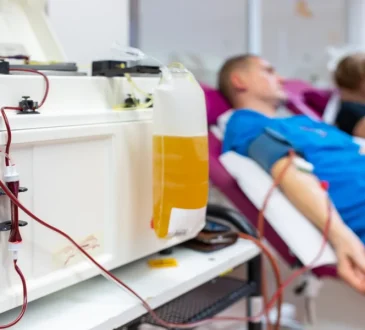
- Donation: Relax while trained professionals perform plasmapheresis to collect plasma.
- Post-Donation: Take some time to rest and enjoy refreshments to restore energy.
The entire process usually takes about two hours. New donors might feel a bit anxious at first, but with the support of trained professionals, the experience generally proceeds smoothly. Being prepared can certainly help ease any nerves.
Eligibility Criteria: Who Can Donate Plasma?
Understanding the eligibility criteria before visiting a donation center is essential. Donation centers and health organizations enforce strict guidelines to protect both the donors and recipients. Most centers require donors to be at least 18 years old, weigh a certain amount, and maintain good health. Being free from any contagious diseases is also a must. Here’s a quick overview of common eligibility requirements:
- Must be a minimum of 18 years old.
- Weigh at least 110 pounds.
- Be free from serious medical conditions.
- Not have recently had significant surgery.
- Maintain a healthy lifestyle.
Potential donors are encouraged to speak with the staff for any specific questions regarding their medical history or conditions. Knowing these criteria beforehand helps ensure a positive donation experience.
Maximizing Your Plasma Donation Experience
Tips for a Smooth Donation Process
Preparing for a plasma donation is key to achieving a successful and comfortable experience. Here are some practical strategies to enhance the donation process:
- Hydrate: Drink plenty of water before the appointment. Good hydration can make veins easier to access.
- Eat a Healthy Meal: Opt for a nutritious meal on the day of the donation. Steer clear of fatty foods and focus on proteins.
- Avoid Caffeine: Limiting caffeine is wise for optimal blood flow.
- Wear Comfortable Clothing: Loose-fitting attire can help ensure easy access to arms.
Minor details might make a substantial difference in comfort and outcome. These proactive measures support donors in maintaining energy and relaxation during the procedure.
Post-Donation Care: Ensuring Your Well-Being
Self-care post-donation is equally important. After donating plasma, individuals should monitor for any unusual symptoms. Staying hydrated and consuming adequate calories aids in recovery. Here are some suggestions for post-donation care:
- Rest: Take a moment to unwind and let the body recover.
- Snack: Most centers offer refreshments; utilize these to restore lost nutrients.
- Avoid Strenuous Activity: Stay away from heavy exercise for the remainder of the day.
Listening to one’s body is crucial during recovery. Feeling slightly lightheaded can be common, but proper rest and care typically remedy the situation quickly.
Understanding the Impact: Myths vs. Realities of Plasma Donation
Debunking Common Misconceptions About Plasma Donation
Misconceptions often cloud the public’s view of plasma donation. Many perceive it as a painful or risky activity. In truth, the procedure is simple and safe, with trained professionals overseeing every step. Another myth is that donating plasma takes forever, but organized donation centers make the experience both efficient and smooth.
“Every donation not only saves a life; it sparks hope for new treatments and innovations.”
Educating the community about plasma donation is crucial. Clearing up these myths might motivate more individuals to consider becoming donors. Sharing personal stories and real-life experiences can also illustrate the significant impact of plasma donations.
The Science Behind Plasma: Why It’s So Valuable
Gaining insight into the science behind plasma is quite revealing. Plasma accounts for about 55% of blood volume, and its role spans well beyond merely transporting nutrients. It contains essential proteins like albumin and immunoglobulins that aid in blood clotting and bolster the immune system. By donating plasma, individuals partake in something greater, contributing to therapies that save lives.
Research continuously underscores the vital role of plasma in medical treatments. With the rise of chronic diseases, the demand for robust plasma supplies is only increasing. Clients who engage in plasma donation frequently express a sense of fulfillment, knowing their contributions have a direct impact on healthcare advancements and patient care.
The power of plasma donations should not be underestimated: they serve as the backbone for numerous medical treatments, benefitting burn victims and surgical patients alike.
In San Diego, the challenge remains to sustain an adequate supply to meet the growing demand. Plasma donation presents an invaluable opportunity for community members to unite and make a real difference.
FAQ
What are the long-term effects of regular plasma donation?
Regular plasma donation is typically safe and can integrate well into a healthy lifestyle. Many donors experience a strong sense of satisfaction from helping others. However, maintaining good hydration and a balanced diet is crucial during the donation process.
How often can someone donate plasma?
Generally, plasma donation centers permit donors to give plasma every 28 days. This interval ensures that donors fully recover and remain healthy. For specific guidelines, checking with the individual donation center’s policy is advisable.
Do plasma donations affect blood donation eligibility?
Usually, donating plasma does not impact the eligibility for blood donation. However, it is vital to wait a recommended period after a plasma donation before donating blood. Consulting the donation center staff can provide tailored advice on timing.
Are there age limits for plasma donors?
Yes, plasma donors must be at least 18 years old. Some centers might have upper age limits based on health guidelines. Individuals are encouraged to contact their local donation center for specific age-related inquiries.
What happens to donated plasma after collection?
After collection, plasma undergoes safety and quality testing, then it’s processed into various therapies or stored for future use. Its medical applications are extensive, spanning from treatments for clotting disorders to serving as a foundation for novel therapies in clinical environments.
Can people with specific health conditions donate plasma?
Certain health conditions may prevent individuals from donating plasma, especially if they are contagious or pose risks to others. It’s best to consult with donation center staff to clarify medical concerns and eligibility.
Is it possible to donate plasma for someone specific?
While plasma donation generally follows an anonymous process, individuals can express a desire to support specific patients through organized initiatives. Those motivated by targeted donations should reach out to local centers for further understanding.
How do plasma donation centers ensure donor safety?
Plasma donation centers follow strict medical protocols and safety guidelines. Trained professionals conduct comprehensive health screenings and supervise donors throughout the donation process, ensuring safety for both the donors and the patients who rely on plasma therapies.
Useful Resources
- American Red Cross – A nonprofit organization that offers blood and plasma donation resources and information.
- Plasma Protein Therapeutics Association (PPTA) – Provides insights into plasma donation and its importance in medical therapies.
- U.S. Food and Drug Administration (FDA) – Governs safety standards for plasma donation and supplies guidelines for donors.
- Canadian Blood Services – Shares information on blood and plasma donation, including eligibility criteria and the donation process.
- World Health Organization (WHO) – A global health authority providing research and statistics on blood and plasma donation practices.
- National Heart, Lung, and Blood Institute – A research-based organization discussing the role of blood and plasma in health.
- Centers for Disease Control and Prevention (CDC) – Provides public health information and guidelines related to blood safety and donation.
- Healthline – A health information resource featuring articles on blood and plasma donation experiences and preparation tips.