

Key Takeaways
Smart parking systems significantly enhance urban mobility. By offering real-time data for locating available spots, they effectively reduce stress for drivers and help alleviate urban congestion.
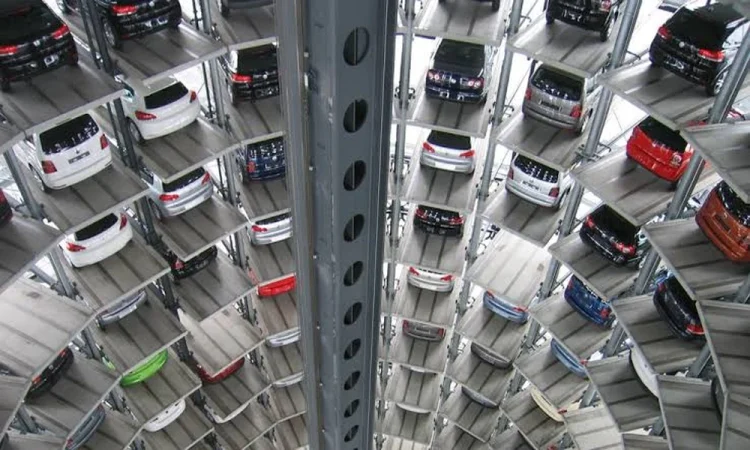
Multi-level parking structures play a crucial role in maximizing land use in densely populated areas. These functional designs not only boost property values but also ensure space is utilized efficiently.
Properties equipped with innovative parking systems are more attractive to buyers, often allowing for higher rents. Thus, smart parking becomes a pivotal investment opportunity for real estate developers.
By integrating flexible parking solutions with monthly leases or partnering up with mobility services, developers can open up fresh income streams and increase overall revenue.
Automatic parking systems are a game changer for safety. They minimize human error, while features like surveillance add layers of security and peace of mind for users.
Real-world applications of smart parking have showcased considerable urban improvements, including lowered congestion and better pedestrian experiences, highlighted by successful examples in cities like Amsterdam.
Testimonials from users emphasize significant lifestyle improvements, demonstrating the transformative influence of innovative parking solutions on community convenience and engagement.
Revolutionizing Urban Spaces: The Future of Parking
Smart Parking Systems: Are They the Key to Efficiency?
As urban settings grow, the need for effective car parking solutions becomes increasingly vital. Smart parking systems have gained prominence for a reason. Picture a scenario where parking evolves from a mere necessity to an integral part of urban life, enhancing both mobility and access. With real-time data analytics, drivers find available spots in seconds. Imagine having a personal parking assistant within reach.
The advantages of these systems are extensive. Users enjoy reduced stress, while cities experience diminished congestion. Yet, the true sophistication lies in their adaptability. The evolution of parking technology has progressed from simple space allocation to a comprehensive urban mobility solution. Providers are now enhancing user engagement with mobile apps that assist in guiding vehicles into open spots, going beyond just strategies for parking validation.
“The future of parking is not just about finding a spot; it’s about transforming the entire user experience.” – Parking Industry Expert
From Chaos to Order: Multi-Level Solutions in Urban Design
Urban locales frequently contend with limited space. Multi-level parking structures offer a vital response to this issue. These designs accommodate more vehicles without expanding the physical footprint. They are not only about creating space; they embody functional artistry within the cityscape.
Consider this: rather than sprawling parking lots that monopolize valuable land, municipalities can choose vertical designs. This innovative approach elevates urban planning significantly. Developers frequently discover that incorporating smart multi-level parking in residential or commercial projects notably enhances property values. The practicality of such systems cannot be overstated; they expertly manage high-density areas, shifting chaos into orderly environments.
- Space efficiency: Maximizes land usage
- Cost-effective: Long-term financial savings
- Enhanced safety: Reduces the risk of theft and vandalism
Maximizing Real Estate Value Through Smart Parking
How Innovative Solutions Can Boost Property Appeal
In a competitive real estate landscape, differentiation can prove challenging. Nonetheless, incorporating innovative parking systems can elevate a property’s attractiveness. Properties showcasing smart parking solutions often draw in buyers who value both convenience and technology. Prospective homeowners or businesses regard these solutions as a mark of sophistication.
For investors, it’s worth noting: properties with smart parking typically possess higher rents and property values. This truly benefits everyone involved. Owners should contemplate how seamlessly these solutions integrate into the overall design and functionality of their properties.
- Modern aesthetics: Blending technology with architecture
- Increased property values: Return on investment potential
- Enhanced usability: Convenience that attracts future tenants
The Financial Upside: Increased Revenues for Developers
Developers are discovering substantial financial advantages in innovative parking systems. By integrating solutions that optimize space while uplifting user experience, they add remarkable value. The financial ramifications are significant. Higher foot traffic within commercial properties fosters increased occupancy rates and diverse revenue streams.
Moreover, developers can generate additional revenue through monthly leasing or hourly parking opportunities. The return on investment can be astonishing, particularly when infrastructure supports flexibility. Just think about the potential for partnerships with mobility services or ride-sharing platforms, which can further amplify revenue. It changes the perception of parking from a mere service to an essential aspect of urban life.
“Property developers who embrace smart parking solutions often see a significant boost in profitability and tenant satisfaction.” – Real Estate Analyst
Safety and Security: Transforming Parking into a Secure Haven
Automatic Parking: The Future of Safety in City Living
Automatic parking systems are redefining safety benchmarks throughout urban landscapes. By substantially lowering the incidence of accidents associated with conventional parking methods, they create safer environments for vehicles and pedestrians alike. With human error, including speed and distraction, minimized, these systems can ensure greater safety.
Intriguingly, these systems often come equipped with cutting-edge security features. High-resolution cameras, license plate recognition, and real-time monitoring converge to provide an unparalleled level of security. Users gain peace of mind, knowing their vehicles are secure, which helps reduce overall crime rates in parking areas.
- Increased safety for users and pedestrians
- Less physical damage to vehicles
- Enhanced surveillance, reducing theft
Surveillance and Monitoring: Enhancing User Confidence
Users seek not just physical safety but also confidence in their parking decisions. Automated systems equipped with surveillance capabilities deliver that assurance. An active monitoring system guarantees security at all times. This ongoing vigilance not only safeguards vehicles but also fosters trust among users.
Additionally, user-friendly mobile applications enable drivers to track their vehicle’s location in real time, enhancing their overall experience. By merging technology with surveillance, these solutions meet the demand for transparency in parking systems. As urban areas continue to develop, consumers increasingly prefer spaces that prioritize their needs and safety.
Case Studies: Real-World Success with Multiparking Solutions
Urban Transformations: A Look at Successful Implementations
Globally, cities have experienced transforming success through innovative parking solutions. For instance, urban platforms have effectively combined multi-level parking with commercial enterprises. The advantages are clear. When city planners adopted these solutions, they noted reduced congestion and improved pedestrian traffic, essentials for vibrant urban living.
Take Amsterdam as a case in point. The city has rolled out various smart parking initiatives that cater not just to locals but tourists as well. The outcomes? Enhanced accessibility and an uptick in overall satisfaction with urban life. Clients directly benefit through improved ease and efficiency. Collaboration with public services in advancing these solutions is crucial.
- Effective land use: Less surface area consumed
- Simplified urban mobility: Teamwork between vehicles and pedestrians
- Increased business revenue: More customers from improved access
Client Testimonials: How Innovative Parking Changed Lives
Perhaps the most compelling evidence of success comes from personal experiences. Clients who embraced smart car parking solutions share accounts of significant improvements in their everyday lives. Business owners celebrate the uptick in customer engagement, while residential users appreciate the reliability of automated parking and the ease it adds to daily routines.
These testimonials illustrate a vivid narrative. Imagine a family returning after a long day, confident they’ll find an available spot without hassle. Or a downtown restaurant witnessing an influx of diners, thanks to thoughtfully designed parking facilities. These stories highlight to developers and city planners the possibilities unlocked by embracing innovation in parking. Well-designed urban spaces can cultivate vibrant communities.
“Effective parking solutions are not just about convenience; they’re about creating thriving urban environments.” – Urban Planner
FAQ
What role do smart parking systems play in environmental sustainability?
Smart parking systems greatly contribute to environmental sustainability by cutting down the time cars spend searching for parking. Less driving around leads to reduced carbon emissions, resulting in a healthier urban environment. Furthermore, efficient parking maximizes land use, fostering better urban planning and helping to preserve green spaces.
How do automatic parking systems adapt to different urban infrastructures?
Automatic parking systems are designed to seamlessly integrate with various urban infrastructures. They can adjust to fit both compact spaces or larger developments, providing the flexibility needed to meet distinct community requirements. This adaptability ensures that no matter the city’s layout, these systems enhance the parking experience.
Can smart parking solutions be integrated with public transport systems?
Absolutely, connecting smart parking solutions with public transport systems fosters a more cohesive urban mobility network. This arrangement allows users to conveniently park before hopping onto public transit, promoting the use of sustainable travel methods. Ultimately, it’s about forging synergies to streamline commuting experiences.
What are the cost implications for cities implementing multi-level parking?
Establishing multi-level parking typically involves an initial investment, but the long-term benefits are noteworthy. These structures optimize space and can significantly boost commercial activity, leading to increased revenue. In densely populated regions, the return on investment can be substantial as property values rise over time.
How do users interact with smart parking apps?
Smart parking apps feature user-friendly interfaces that allow for real-time availability checks, spot reservations, and even payment of fees. These capabilities result in a smooth user experience, enabling drivers to concentrate on their activities rather than parking-related frustrations. With the right application, parking becomes almost effortless with just a few taps on a smartphone.
What technologies are commonly used in automated parking systems?
Automated parking systems utilize a combination of advanced technologies, such as robotics, sensors, and high-resolution cameras. These components collaborate to facilitate smooth vehicle movements, efficient storage, and enhanced monitoring. Such technologies are essential for optimizing space while ensuring both user safety and security.
How do smart parking projects impact local businesses?
Smart parking initiatives positively affect local businesses by boosting accessibility for customers. Improved parking facilities translate to increased foot traffic, contributing to a lively commercial environment. Businesses experience enhanced visibility and convenience, making their locations more appealing to potential patrons.
What are the regulatory considerations for deploying innovative parking solutions?
When deploying innovative parking solutions, developers must navigate local zoning laws, safety standards, and building codes. Each city has its unique requirements, and ensuring compliance is vital during the design and implementation phases. Engaging with city planners early in the process can facilitate a smoother path toward successful deployment.
Useful Resources
- Planetizen – Urban Planning and Development
- Smart Cities World – News and Insights on Urban Development
- Urban Land Institute – Education and Research on Urban Development
- American Planning Association – Resources for Urban Planning
- International Code Council – Building Safety and Regulatory Codes
- Federal Highway Administration – Transportation and Infrastructure Resources
- NAIOP – Commercial Real Estate Development Association
- Transportation Research Board – Insights on Transportation Systems
- American Public Transportation Association – Public Transit Resources