

Key Takeaways
Power take off (PTO) systems play a vital role in linking engine power with different equipment, which allows heavy machinery to engage in varied tasks beyond simple propulsion.
These systems significantly improve vehicle versatility, letting operators easily switch between tasks, whether towing or powering auxiliary equipment, and boosting operational efficiency across industries like agriculture and construction.
When it comes to selecting a PTO, professionals should consider compatibility with existing equipment, torque capacity, mounting styles, and the manufacturer’s reputation. These factors are essential for ensuring both performance and longevity.
The choice between new and rebuilt PTOs often involves balancing cost with performance. New models provide reliability, but rebuilt options can offer substantial savings while maintaining quality.
Regular maintenance holds the key to extending the life of PTOs. This includes proactive checks on wear, fluid levels, and performance metrics, all of which can help prevent costly downtime.
Factors like unusual noises, leaks, or decreased performance signal PTO issues. Immediate attention is necessary to prevent unexpected breakdowns and rising costs.
Making an investment in high-performance PTOs can lead to reduced operational costs over time by improving fuel efficiency, minimizing maintenance costs, and increasing resale value.
Maximizing Efficiency: The Role of Power Take Offs in Heavy Machinery
Understanding Power Take Off Mechanisms
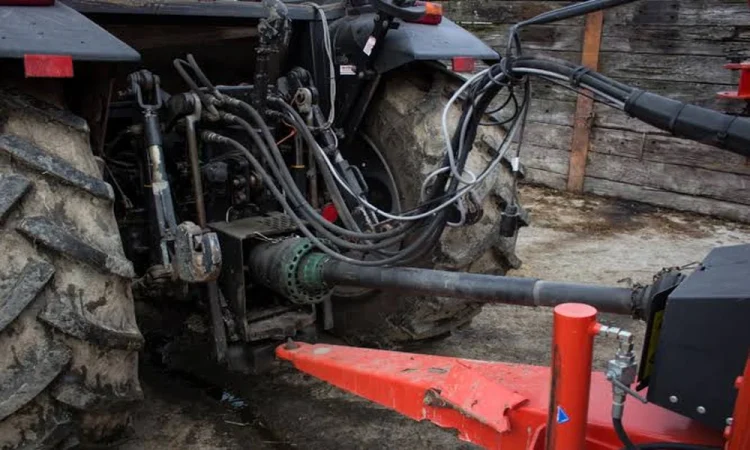
Power take off systems, or PTOs, serve as a crucial link between engine-generated power and the machinery it drives. While their designs may differ, they all fundamentally work to transfer mechanical energy. Engine power isn’t limited to just moving a vehicle; it harnesses energy for an array of attachments like hydraulic pumps, winches, and blowers. Imagine how effectively a truck can do its job without a suitable PTO? Without them, the true potential of heavy machinery could remain largely untapped.
PTOs are crafted by manufacturers to function effectively under various conditions and for numerous applications. Some engage directly with a gearbox, while others might use a cone clutch or chain drive, which can adjust according to load needs. By understanding how these mechanics work, businesses can not only choose the appropriate PTO but also enhance operational efficiency in their daily tasks. Evaluating compatibility with existing equipment is strongly advised before making a selection.
How PTOs Improve Vehicle Versatility
Versatility in heavy machinery is essential, not just a nice-to-have. Power take offs contribute significantly, allowing operators to handle a range of tasks-from towing to powering auxiliary equipment-all from one versatile platform. This flexibility streamlines work processes for clients in sectors like agriculture, construction, and transportation.
Some examples of PTO-powered applications include:
- Hydraulic lifts for moving materials
- Chippers for landscaping needs
- Snow plows for effective winter operations
These instances showcase how PTOs can adjust a vehicle’s functionality almost instantaneously. One moment a truck is transporting grain; the next, it’s clearing a driveway. It’s no wonder businesses clamor for robust PTO systems!
Choosing the Right PTO: A Guide for Businesses
Key Factors to Consider in Power Take Off Selection
For businesses choosing a PTO, multiple considerations often come into play, directly affecting overall operational success. Picking the right option can significantly influence machine productivity and lifespan. Here are some critical elements to consider:
- Type of Equipment: It’s vital to match the PTO with the machinery in use.
- Torque Capacity: Evaluating the required torque ensures machinery operates smoothly, without strain.
- Mounting Style: Clear installation requirements help prevent mechanical mishaps.
- Manufacturer Reputation: Brands known for quality typically offer durability and reliability.
Experts suggest considering potential future equipment needs as well. Investing in a PTO that can adapt to changing tasks may offer long-term savings and greater flexibility.
Comparing New vs. Rebuilt PTOs: Which is Best for You?
Deciding between new and rebuilt PTOs can seem challenging, but a careful evaluation of the benefits can clarify the situation. New PTOs bring advantages, such as improved efficiency and reliability, although they come with a higher price. Conversely, rebuilt PTOs can result in notable cost savings while often delivering comparable performance, especially when sourced from reputable suppliers.
“Investing in a quality rebuilt PTO can yield significant returns, especially in industries where equipment usage is high.”
A quick comparison may help:
- Cost: Rebuilt PTOs generally come at a lower price point.
- Warranty: New units typically offer comprehensive warranties, whereas rebuilt items may differ.
- Performance Expectation: High-quality rebuilt units can perform almost on par with new ones.
Ultimately, decisions will be tailored to each operation, but considering these elements leads to informed choices.
The Importance of Regular Maintenance for Power Take Off Systems
Best Practices for Extending PTO Lifespan
For successful operations, equipment reliability is essential. Regular maintenance is a must for ensuring PTO longevity. Many experts agree that a proactive approach pays off by preventing downtime. Consider these recommended practices:
- Carry out routine inspections to check for any wear and tear.
- Verify fluid levels and change fluids following manufacturer guidelines.
- Keep an eye on performance metrics to detect any irregularities early on.
Regular maintenance not only prolongs equipment life but can also enhance overall efficiency significantly. When systems run smoothly, the entire operation benefits in various ways, including reduced costs and less workload pressure.
Signs Your Power Take Off Needs Immediate Attention
While routine maintenance is crucial, being alert for symptoms of malfunction can’t be emphasized enough. Recognizing early signs of PTO issues can save businesses from facing unexpected breakdowns. Common warning signals include:
- Unusual Noises: Grinding or whining sounds could point to severe internal problems.
- Leaks: Fluid leaks may indicate failing seals or gaskets.
- Reduced Performance: A marked decline in powered attachments can signify an underlying issue.
If these symptoms pop up, timely intervention is critical. Delaying repairs can result in higher costs and possibly extensive downtime.
Impact of Quality Power Take Offs on Operational Costs
Cost-Saving Benefits of High-Performance PTOs
High-quality power take offs can deliver substantial returns for businesses aiming to reduce operational costs. Though quality PTOs might require a higher upfront investment, they frequently make up for it through lower failure rates and improved efficiency. When machinery operates at its best, overall operational costs decrease.
Businesses enjoy several benefits, including:
- Boosted fuel efficiency
- Lower maintenance costs over time
- Enhanced resale value due to minimal wear and tear
Opting for premium PTO systems positively impacts the bottom line, helping to enhance profit margins significantly. This strategy is particularly advantageous for businesses looking to thrive in competitive landscapes.
How Switching to Trusted Brands Can Enhance Productivity
Creating a sustainable business model goes beyond upfront costs. Opting for trusted brands when choosing power take offs cements long-term benefits. Renowned brands often prioritize rigorous testing and quality control, ensuring PTOs deliver sustained performance. Plenty of options exist in the marketplace, but industry leaders with a consistent history of excellence allow operators to tap into their machinery’s full potential.
“Quality PTOs are not just components; they’re investments in reliability and productivity.”
Review operational metrics when considering brand changes. A modest initial investment in quality could prevent significant issues later, setting the stage for operational success. Real-world results show how faith in certain brands can lead to improved performance and less downtime.
In numerous ways, power take offs constitute the backbone of a machine’s capabilities. They aren’t mere accessories; they are fundamental to maximizing performance. Making wise investments in PTOs today can echo positively throughout a business’s long-term path. In a competitive environment, equipping machinery with optimal power take offs is a critical factor for operational success.
FAQ
What role do PTOs play in troubleshooting equipment issues?
PTOs are essential during the diagnostic process for heavy machinery. When troubleshooting equipment, experts often examine PTO performance, as any anomalies could point to systemic issues elsewhere, thereby saving time during repairs.
How can businesses effectively evaluate PTO performance over time?
To monitor PTO performance effectively, consistent data collection on metrics like operational hours and maintenance schedules is necessary. Detailed logs help businesses identify trends and potential failures early on, facilitating proactive changes and extending equipment longevity.
Are there environmental advantages to using high-performance PTOs?
Absolutely. High-performance PTOs help reduce emissions by enhancing fuel efficiency. By optimizing the delivery of power from the engine, these systems lower fuel consumption, which aligns with eco-friendly operational strategies and sustainability goals.
What emerging technologies are impacting PTO systems?
New innovations like electronic controls and smart sensors are transforming PTO systems. These advancements enhance responsiveness and efficiency, enabling operators to manage power delivery with greater precision, which ultimately boosts overall machinery performance.
Can PTOs be modified for specialized applications?
Indeed. It’s quite common to modify PTOs for specific tasks. Many businesses collaborate with manufacturers to customize systems, ensuring they meet particular equipment needs, thereby enhancing productivity in specialized markets.
What industries are seeing the most growth in PTO usage?
Industries such as agriculture, construction, and waste management currently lead in PTO utilization. An increasing demand for versatile machinery within these sectors is driving the need for advanced PTO systems capable of adapting to various operational tasks.
How often should PTO maintenance checks occur?
Experts suggest conducting maintenance checks on PTOs at least quarterly, or even more frequently depending on usage intensity. Regular inspections help catch wear early, significantly mitigating the risk of costly repairs and operational downtime.
What’s the difference in warranty coverage between new and rebuilt PTOs?
Typically, new PTOs come with comprehensive warranties lasting several years, providing reassurance against defects. Rebuilt PTOs may offer limited warranties that vary by supplier, making it crucial for buyers to verify coverage details before making a purchase.