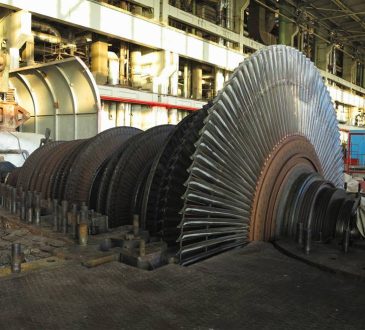


Industrial progress relies upon shaped metal integrity gained via heat pressure control. Forging Thailand anchors manufacturing advancement, enabling load-bearing elements vital for demanding operations. Reliability grows when grain flow aligns naturally, limiting internal defects. Machinery longevity improves as deformation strengthens the structure while conserving material use. Consistent output ensures safe performance across construction duties requiring sustained force transfer. Engineers value predictability, efficiency, and endurance delivered by refined shaping practices supporting global infrastructure development.
Material Strength Benefits
Forged components offer superior resistance against stress compared to cast alternatives. Controlled shaping improves density, allowing parts to handle extreme loads. This strength advantage supports demanding machinery functions while lowering failure risk during prolonged operation.
Durability Under Pressure
High-force environments require components capable of withstanding repeated impact. Forging enhances toughness through compact grain alignment. This process reduces crack formation, ensuring parts remain dependable under continuous mechanical strain and operational challenges.
Surface Integrity
Smooth surfaces produced through forging reduce friction. Improved finish contributes to longer component life while maintaining stable mechanical interaction across moving assemblies.
- Improved contact quality minimizes stress concentration across working areas.
- Refined texture supports better lubrication retention during extended usage.
- Controlled finish reduces early degradation under heavy mechanical loads.
Structural Consistency
Uniform internal structure remains essential for heavy equipment reliability. Forging ensures even distribution of material properties, preventing weak zones. Such consistency leads to predictable behavior during lifting, digging, or load shifting tasks.
Load Handling Efficiency
Equipment designed for heavy workloads benefits from forged elements that manage stress evenly. Improved strength-to-weight balance allows smoother operation while minimizing wear across joints and moving assemblies.
Enhanced Safety Levels
Forged parts lower the likelihood of sudden breakdowns. Improved toughness and resistance to deformation help maintain operational safety, protecting operators and surrounding structures during intense working conditions.
Manufacturing Precision
Accurate shaping supports proper alignment during assembly. Forged components fit seamlessly, enhancing equipment harmony and reducing stress caused by misalignment issues.
- Reduced adjustment needs shorten installation time during machinery setup.
- Consistent geometry improves compatibility with supporting components.
- Tight tolerances enhance long-term operational dependability.
Operational Reliability
Equipment reliability depends on component strength. Forged elements enhance trust in machinery operation, reducing downtime and supporting continuous workflow demands.
Reliable equipment depends on carefully shaped components delivering strength, stability, and longevity. Forged solutions provide dependable performance across demanding operations while reducing long-term risks. Thoughtful material control ensures consistent output, supports operational efficiency, and protects structural integrity. Continued reliance on advanced shaping processes promotes safer working environments and dependable machinery performance. By prioritizing durability and efficiency, industries achieve greater productivity and sustained value. Forging Thailand represents a trusted foundation for dependable heavy equipment development.