

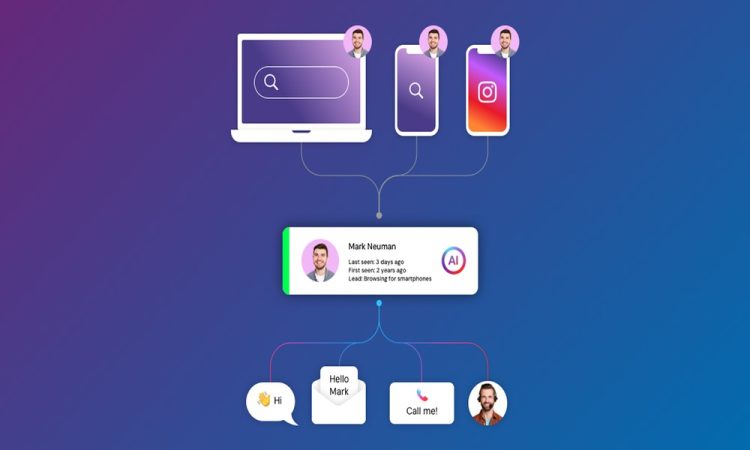
Service and sales teams share the same goal: helping customers move forward with confidence. When information flows smoothly between them, conversations feel informed and timely. When data lives in silos, alignment breaks down and customers feel the consequences through delays, confusion and missed opportunities.
Silos Create Different Versions of the Truth
Sales teams rely on pipeline status, account notes and engagement history. Service teams rely on cases, interactions and resolution details. When these views remain separate, each team works from a partial picture. Sales may promise next steps without knowing about open issues. Service may resolve problems without understanding account value or deal timing.
Misalignment Slows Customer Progress
Customers experience misalignment as friction. A buyer hears one message from sales and another from support. Follow ups get delayed while teams confirm details. What should be a smooth handoff becomes a series of clarifying conversations that test patience and trust.
Manual Coordination Does Not Scale
Early on, teams compensate with meetings, messages and spreadsheets. As volume grows, this manual coordination fails. Updates arrive late or not at all. Context disappears between handoffs. Teams spend more time syncing than serving customers.
Revenue Risk Hides Inside Service Data
Service interactions often signal risk or opportunity. Repeated issues may point to churn. Feature questions may signal expansion interest. When service data stays isolated, sales teams miss these signals. Opportunities slip by because insight never reaches the right conversation.
Fragmented Tools Multiply Effort
Different systems for sales, service and operations force constant switching. Agents search across tools to answer simple questions. Sales waits on updates they cannot see directly. Fragmentation increases effort while reducing clarity.
Why Shared Visibility Matters
Shared visibility turns isolated data into usable insight. When sales sees service activity and support understands account priorities, conversations improve. Teams act with confidence because they see the same information at the same time.
The Role of Integrated Service Platforms
Many organizations look to platforms like Salesforce Contact Center to connect service activity with customer and account data. When service and sales work from a connected system, alignment improves and handoffs feel intentional rather than rushed.
Faster Resolution Improves Deal Velocity
When issues resolve quickly and visibly, sales momentum improves. Reps address concerns before they stall deals. Support understands which issues deserve priority based on customer impact. Alignment shortens sales cycles and reduces surprise.
Better Conversations Build Trust
Customers value consistency. Aligned teams speak with one voice and provide clear updates. Even when problems arise, confidence stays intact because communication feels coordinated and informed.
Leaders Gain Clearer Insight
Alignment helps leaders see how service performance affects revenue outcomes. Trends across cases and deals reveal where improvement matters most. Decisions move from assumption to evidence.
Breaking Down Silos Requires Intent
Silos do not disappear on their own. Teams must define shared goals, connect systems and agree on ownership. Alignment improves when data supports collaboration rather than competition.
Practical Steps Toward Alignment
Start by identifying where service and sales depend on the same information. Connect key data points and surface them where teams work daily. Review handoffs regularly to catch gaps early.
Alignment Strengthens the Customer Journey
When data silos fade, service and sales move together. Customers receive consistent guidance and timely support. Alignment transforms internal coordination into a smoother customer journey that supports trust and long term growth.